Tree Health & Maintenance
Mature trees add real value to a property. When one starts declining, an assessment beats guessing — and often beats removal.
Serving Murrieta, Temecula, Menifee, Wildomar, Lake Elsinore
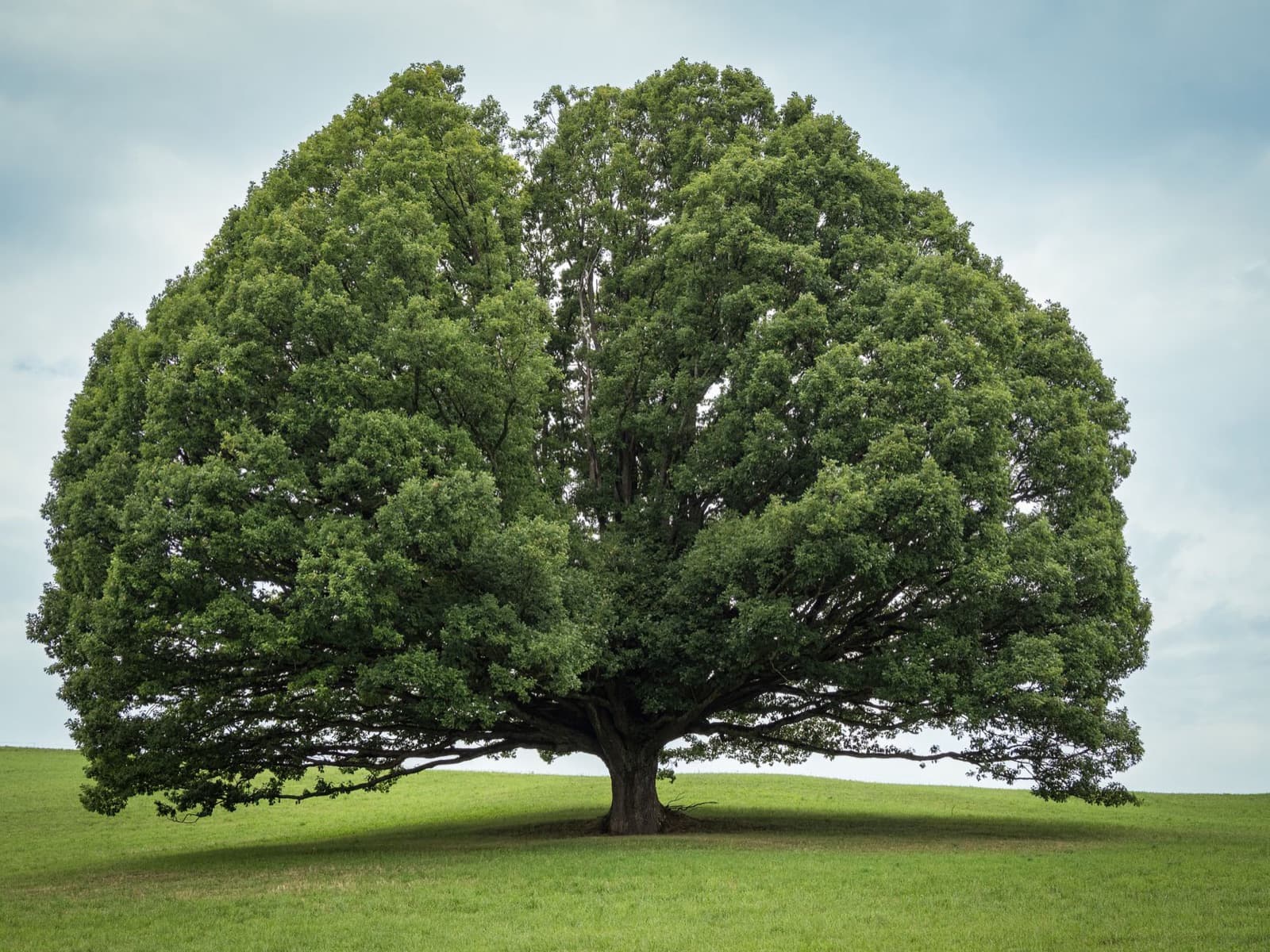
A mature shade tree takes decades to replace, so it's worth finding out why one is struggling before writing it off. Thinning canopies, early leaf drop, dieback, and pest activity all have causes — often water stress, soil compaction, root damage from construction, or treatable infestations.
Inland Southern California's heat and long dry seasons are hard on trees, especially ones planted outside their comfort zone. The right response depends on an honest look at the specific tree, its site, and its history.
Common requests
- Assessment of a declining or discolored tree
- Deep-root watering and soil-care recommendations
- Pest and borer activity evaluations
- Structural checks on aging or storm-stressed trees
- Ongoing maintenance plans for high-value trees
- Second opinions before an expensive removal
Signs it's time
- Canopy thinning or dieback at the branch tips
- Leaves browning, curling, or dropping out of season
- Boring dust, exit holes, or sap weeping on the trunk
- Fungus, conks, or soft wood at the base
- No new growth during the growing season
Good to know
- Water stress is one of the most common causes of tree decline in this region — mature trees on lawns often get frequent shallow watering when they need infrequent deep soaking.
- Construction damage shows up slowly: trenching, grading, or compaction over roots can take several years to kill a tree.
- For serious diagnoses (suspected disease, valuable specimen trees, liability questions), ask whether an ISA-certified arborist will perform the assessment.
- Sometimes the honest answer is removal — a good assessment tells you whether care is worth the investment.
Tree Health & Maintenance — frequently asked questions
My tree's leaves are browning in summer. Is it dying?
Not necessarily. In inland heat, browning often signals water stress rather than disease — especially in trees surrounded by lawn irrigation that never soaks deeply. An assessment can separate stress from decline.
Can a declining tree be saved?
Often yes, if the cause is caught early — watering changes, mulching, soil treatment, or targeted pruning can turn a stressed tree around. Advanced decay or major structural failure usually can't be reversed.
What does a tree health assessment involve?
A look at the whole picture: canopy condition, trunk and root flare, soil and irrigation, site history, and signs of pests or disease. You should come away with a clear explanation and specific recommendations, not just a sales pitch.
Should I ask for a certified arborist?
For high-value trees, suspected disease, or anything involving liability, yes — ask whether an ISA-certified arborist will do the evaluation. Confirm credentials directly with the provider.
Get an estimate for tree health & maintenance
Describe the work, attach photos if you have them, and get a clear next step — with no obligation.