Tree Trimming & Pruning
Good pruning keeps trees strong, keeps branches off the roof, and keeps wind from turning a full canopy into a sail.
Serving Murrieta, Temecula, Menifee, Wildomar, Lake Elsinore
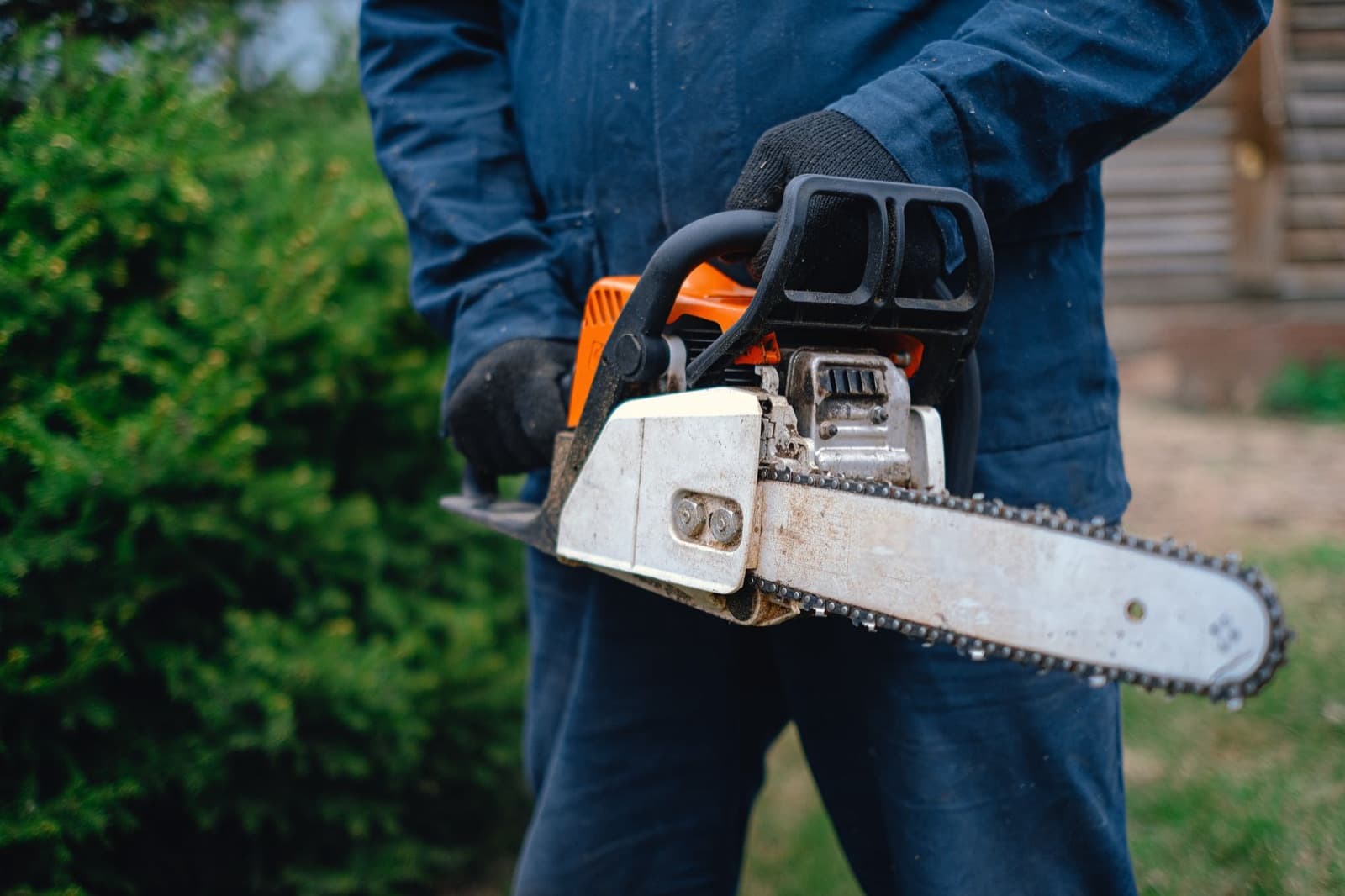
Trimming is the maintenance work that prevents expensive problems later. Thinning a dense canopy reduces wind load, removing deadwood eliminates the branches most likely to fall, and clearance pruning keeps limbs off roofs, gutters, and power service lines.
There's also a wrong way to do it. Aggressive topping stresses trees and produces weak regrowth. A good trim respects the tree's structure — you should barely notice the tree was worked on, except that it looks cleaner and lets more light through.
Common requests
- Branches overhanging the roof or rubbing on shingles
- Crown thinning before the windy season
- Deadwood removal throughout the canopy
- Raising the canopy over driveways, sidewalks, and lawns
- Clearing growth away from structures, fences, and lights
- Shaping ornamental and front-yard trees
Signs it's time
- Branches touching the roof, gutters, or siding
- Dead or hanging branches visible in the canopy
- A canopy so dense the interior gets no light or airflow
- Low limbs blocking walkways, driveways, or views
- Storm-damaged or crossing branches rubbing against each other
Good to know
- Trimming on a regular cycle (commonly every 2–3 years for mature trees) is cheaper than a one-time heavy correction after years of neglect.
- Avoid providers who propose 'topping' — cutting main limbs to stubs. It weakens the tree and creates hazards as fast-growing shoots return.
- Only the utility (or its contractors) should work on limbs near high-voltage lines. Trimming near the service drop to your house should still be described in your request so the crew plans for it.
- Debris cleanup and hauling should be spelled out in the quote.
Tree Trimming & Pruning — frequently asked questions
When is the best time to trim trees?
For most species, late fall through winter dormancy is ideal for structural pruning, but deadwood and hazard limbs can be removed any time of year. If a branch threatens the roof, don't wait for the season.
How often should mature trees be trimmed?
A common cycle is every two to three years for mature shade trees, and more often for fast growers. Regular light pruning is healthier for the tree — and cheaper — than occasional heavy cutting.
What's the difference between trimming and topping?
Trimming removes selected branches while preserving the tree's natural structure. Topping indiscriminately cuts main limbs to stubs — it stresses the tree, invites decay, and produces weakly attached regrowth. Reputable crews avoid topping.
Can you trim just the branches hanging over my side of the fence?
Yes — trimming to the property line is a common request. Describe the situation in your estimate request, and if the tree belongs to a neighbor it's worth a friendly heads-up before work starts.
Get an estimate for tree trimming & pruning
Describe the work, attach photos if you have them, and get a clear next step — with no obligation.